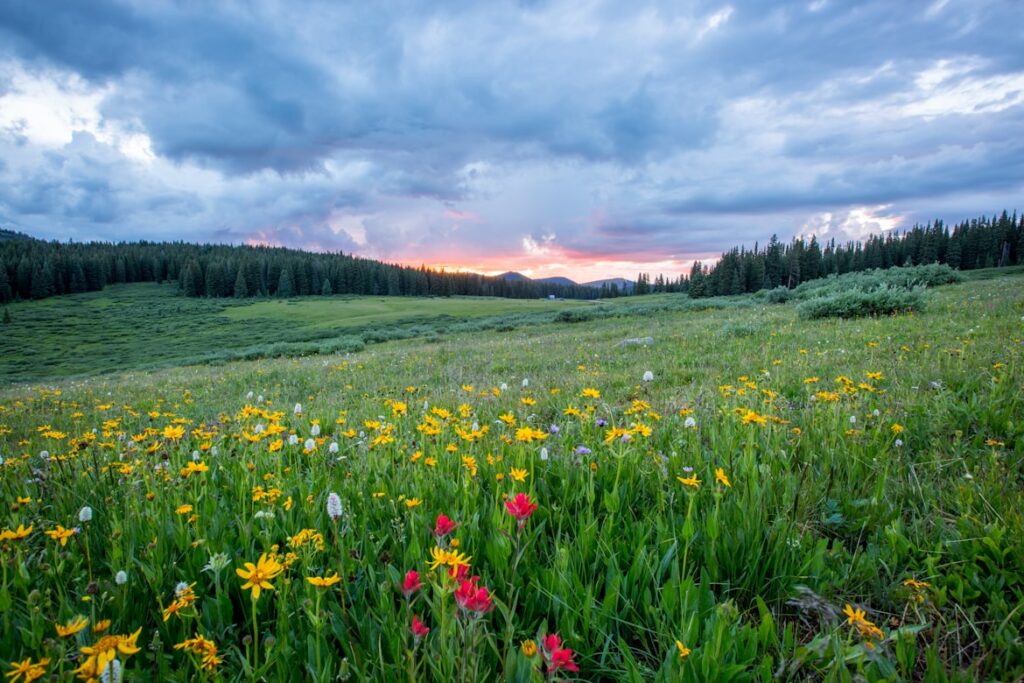
A piece of Theia
I finished editing Paleomythic a couple of weeks ago.
Every scene is fitted into the timeline; every geological process double-checked with scientifically recognized sources; every character arc is consistent across four billion years of narrative. It’s the kind of finish line that should feel good. It actually feels terrifying, though, because now it’s time to hand it off to other people and find out what the world of publishing thinks of the work I’ve been doing for a year.
In my family, we have a concept called hazard pay. Anyone who successfully does a hard thing all the way to the end gets a treat for it. So I bought myself a present — hazard pay for finishing the job.
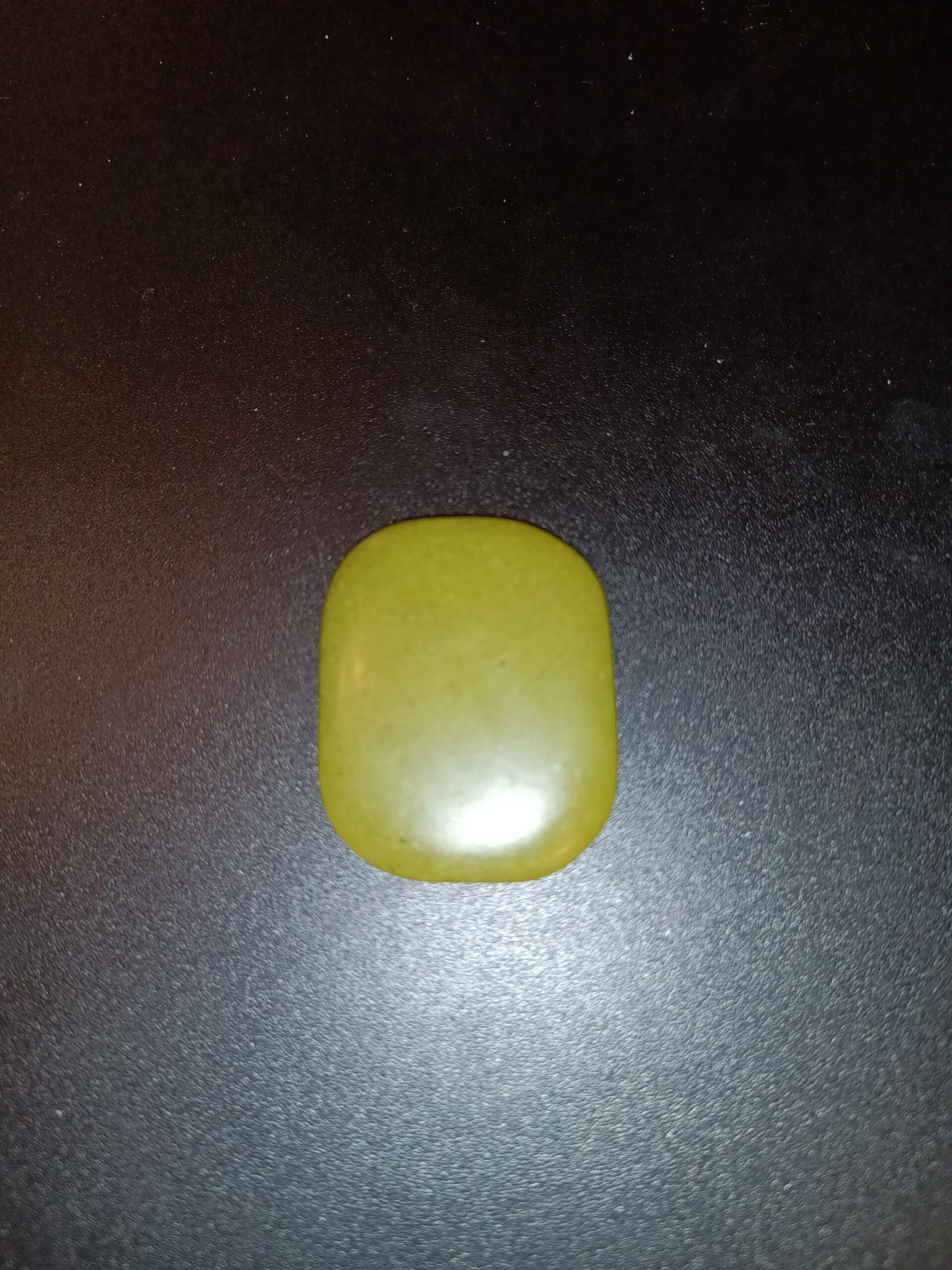
What I bought, ordered from an obscure gem dealer on eBay, is a small piece of serpentinite from the Pacific coast of Australia. Serpentinite is a lovely light green, waxy-looking stone; the kind that looks like it should feel warm even though it never does. The particular variety is called Williamsite, which is essentially what they call serpentinite that’s gem-quality. If you hold it up to the light there’s a translucence to it, like the stone hasn’t entirely decided for sure that it’s going to stay solid.
I didn’t buy it because it was beautiful, even though it is. I bought it because serpentinite is mantle rock. It starts as peridotite, the dense stuff that makes up the Earth’s mantle… the mantle where the planet Theia has lived since she married Earth and moved in. Then, over time, seawater gets into it. Not violently — slowly, patiently, molecule by molecule, the way Pacifica always does things. The water works its way into mineral structures that were never built to hold it, and changes them permanently. The peridotite hydrates. It softens, it goes greener, it becomes something new. Something made of the mantle and the ocean both.
In Paleomythic, that’s not a metaphor I’m imposing after the fact. That’s simply what happened to two of my characters. Theia is the mantle. She took that role for herself early in the book, when she and Earth were still working out what their marriage would look like. She left to Earth the crucial, delicate surface area, filled with water and soil and atmosphere, and she went down into the depths and took charge of the parts of the planet that move and shift and occasionally explode. And Pan-Thalassa — who later becomes Pacifica, once there are enough other oceans for calling himself the All-Ocean to feel presumptuous — is the water that pressed down on that mantle rock for hundreds of millions of years, changing it.
So the rock that lives in the inner pocket of my purse now, right next to my passport, is quite literally a piece of Theia that Pacifica got his hands on. It’s evidence. It’s the kind of thing my characters would leave behind if they were real. Which, to a novelist ears-deep in the mineralogy of her own invented pantheon, they are.
I’ve had this feeling more than once while working on this book: characters walking out of the page and turning up in the physical, tangible world. It’s a strange kind of research. I watch a news video about forest fires in the American West Coast and think, “Huh. Wonder what North America thinks about that.” I can’t look at the geography of the world anymore without seeing living, feeling characters whom I know well… the roommates I’ve lived with for the last year.
Most novelists doing historical fiction can go visit the building where the events happened, or read letters written by the people they’re writing about. I get to look up a rock shop and order a 2”×3” chunk of my protagonist. There’s something almost embarrassingly literal about it, but it still feels right — because the entire premise of Paleomythic is that the geological history of the solar system is a story, with characters and relationships and consequences, and that the science — taken seriously and followed all the way down — is stranger and more emotionally comprehensible than anything I could have invented from nothing.
Every rock is a plot point. This one just happens to fit in my hand.
I pull it out when I work, and keep it where I can touch it. Not for luck, exactly — more as a reminder of scale. It took an ocean the better part of a geological era to make this piece of stone what it is. I got to spend a year or so making a book about it. Different timescales, same basic method: patient, incremental transformation, drop by drop and word by word, until there’s something different from anything that was there before.
There’s another meeting like this in my near future. In August, I’m traveling to Mallorca with my family to see the total eclipse, and spending a week at the beach while we’re there. This means I’ll be face to face — or more accurately, I suppose, face to water — with Tethys-Mediterranea for the first time since I started writing this series. She was the very first character I ever wrote in this world… before I knew it was a world, before I knew there’d be a book at all.
She feels like the friend you’ve known since you were in elementary school. I’m looking forward to meeting her again. (It is probably not a coincidence that my actual friend whom I’ve known since elementary school is the author who inspired me to start writing again, when I moved to the Netherlands a couple of years ago. Thanks, Janice.)
The last time I touched the Mediterranean, I was fifteen years old, on a trip to the south of France with my parents, having no idea what she’d eventually become to me. It’s going to feel really interesting, I suspect, to go swimming in her waters. I’ll report back on that trip after it happens. Maybe I’ll get to meet the island of Mallorca as a character, too, even though she’s nowhere in the books that I’ve written yet. We’ll see how it goes.